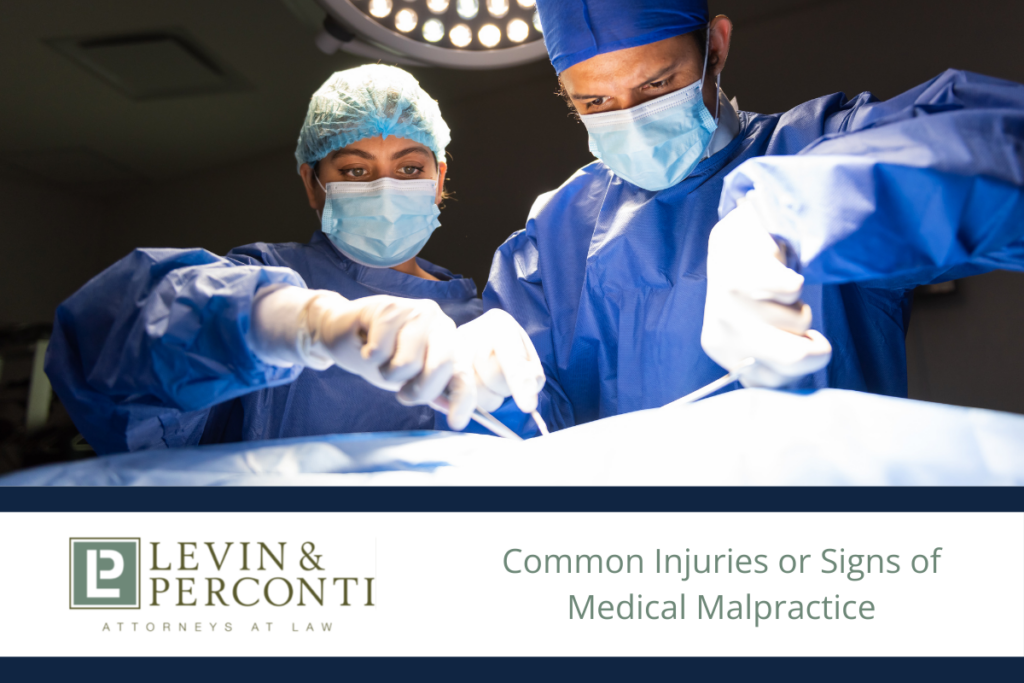
In the complex world of medical care, attending physicians play a crucial role in overseeing the work of resident doctors. While residents are in the early stages of their medical careers, their actions can still lead to serious consequences for patients.
When a resident makes an error, it raises the question of liability: Can the attending physician be held responsible for their mistake? Understanding the responsibilities of supervising physicians and the potential for shared liability is essential in cases of medical malpractice. This article will explore the nuances of medical oversight and the legal implications for attending physicians when their residents make errors.
Who Are Resident Physicians and How Are They Supervised?
Resident physicians are doctors in the process of advanced training after completing medical school. They work under the close supervision of experienced attending physicians as they gain specialized knowledge and skills. While residents are responsible for providing patient care, they are not yet fully independent. Their work is closely monitored to ensure patient safety and quality care.
Attending physicians supervise residents, offering guidance and oversight to ensure that medical standards are met. In many cases, attending physicians remain responsible for the decisions made by residents, especially when it comes to complex or high-risk procedures.
The balance of independence and supervision is crucial to patient safety, but it also means that mistakes made by residents may involve the attending physician’s responsibility as well.
What Is the Difference Between Direct and Indirect Supervision in a Medical Context?
In a medical setting, supervision of resident physicians can be categorized into two main types: direct and indirect supervision.
Direct supervision occurs when an attending physician is physically present and actively involved in the patient’s care. The attending physician directly oversees the resident’s actions, providing real-time guidance and intervention as necessary. This type of supervision ensures a high level of oversight, especially during critical procedures or situations that require immediate expertise.
Indirect supervision, on the other hand, allows for more autonomy. The attending physician may not be physically present but remains available for consultation and guidance. In this scenario, the resident has more responsibility for making decisions, but the attending physician remains ultimately accountable for the patient’s care. Indirect supervision is more common during routine tasks or when the resident has gained more experience and is able to work independently.
Both types of supervision are designed to balance the educational needs of residents with the safety and well-being of patients.
How To Determine If a Resident Physician’s Error Was Due to Inadequate Supervision
Determining whether a resident physician’s error was the result of inadequate supervision involves a careful review of several factors. The attending physician’s level of involvement and the type of supervision provided play a critical role in this assessment.
Key considerations include whether the attending physician was present during the incident or available for consultation, as well as the clarity of guidance provided to the resident. If the attending physician failed to adequately oversee the resident’s actions, especially in high-risk situations, it may point to inadequate supervision.
Additionally, the resident’s experience and the complexity of the medical task at hand should be taken into consideration. In cases where a resident was given too much responsibility beyond their level of training or was not properly guided, liability may fall on the supervising physician or the institution.
Evidence Needed to Prove a Lack of Supervision in a Medical Malpractice Case
Proving a lack of supervision in a medical malpractice case requires strong evidence to establish that the attending physician failed in their duty to properly oversee the resident physician. Key pieces of evidence include:
- Medical Records: Detailed documentation of the patient’s treatment and the actions taken by the resident can reveal if appropriate supervision was lacking. This includes any discrepancies between what the resident did and the guidelines or protocols set by the attending physician.
- Witness Testimonies: Statements from hospital staff, other physicians, or even the patient (when possible) can shed light on the supervision the resident received. This may include testimonies about the attending physician’s presence (or lack thereof) during critical procedures.
- Expert Opinions: Expert medical testimony is often essential in malpractice cases. Medical professionals can provide insights into whether the attending physician’s supervision was adequate based on the standard of care expected in the given medical situation.
- Hospital Policies: Reviewing the hospital’s policies and procedures for resident supervision can help determine if proper guidelines were in place and if they were followed during the incident.
- Resident’s Training and Experience: Evidence regarding the resident’s level of training and experience at the time of the error can show whether they were given responsibilities beyond their capacity, suggesting inadequate supervision.
All of these pieces of evidence must work together to form a clear picture of the attending physician’s failure to adequately supervise the resident. Establishing negligence in a medical malpractice case is complex, but with the right evidence, accountability can be determined.
Steps to Take If You Suspect Medical Malpractice Due to Poor Resident Supervision
If you suspect that medical malpractice has occurred due to poor supervision of a resident physician, taking the right steps early on can help ensure your case is properly investigated.
Here’s what to do:
- Document everything: Start by keeping a detailed record of all medical treatments, procedures, and any interactions with healthcare providers. Note any instances where you believe the resident’s actions were improperly supervised or where mistakes occurred.
- Seek a second opinion: If you feel your health or the health of a loved one was compromised, seeking a second opinion from another medical professional can help determine if malpractice occurred and whether supervision played a role.
- Consult an experienced medical malpractice attorney: It is essential to contact an attorney who specializes in medical malpractice. An attorney can help you understand your legal options and guide you through the process of gathering evidence, including expert testimony and medical records.
- Request medical records: With your attorney’s assistance, request a copy of the medical records related to the treatment in question. These records are crucial in determining if proper supervision and oversight were provided.
- Investigation and expert review: Your attorney may consult medical experts to review the case. They can provide insights into whether the attending physician’s supervision was adequate and if it contributed to the error.
- File a complaint: In addition to seeking legal action, you may also file a complaint with the hospital or medical board. These institutions have protocols for reviewing cases of malpractice and ensuring accountability.
Taking prompt action can help you understand your rights and pursue the justice you deserve. If you believe inadequate supervision led to medical harm, consulting with a legal expert is an essential first step in protecting your interests.
How Do State Laws Differ Regarding Attending Physician Supervision Requirements?
State laws vary in terms of supervision requirements for attending physicians overseeing resident doctors. Some states have specific regulations that outline the level of direct supervision required, while others leave the decision to individual hospitals or medical institutions. These laws are designed to ensure patient safety, but the standards can differ widely.
In some states, attending physicians are required to be physically present during certain procedures, while in others, indirect supervision may be sufficient. Understanding the specific laws in your state is crucial when determining whether supervision standards were met in a medical malpractice case.
The bottom line is that any time malpractice occurs, multiple parties may be involved in a subsequent lawsuit. It is essential for all individuals involved in a patient’s care, including those in supervisory roles, to act reasonably and prioritize safety. When they fail to do so, and a patient is hurt, then it is prudent to ensure accountability and redress.
If you or a loved one was harmed by medical malpractice involving a resident physician or has questions about supervision and liability, contact our medical malpractice lawyer today using our simple online form or by calling (312) 332-2872 to schedule a free consultation.