Key Takeaways
Signs of medical malpractice include worsening symptoms after treatment, unexplained pain, or complications in unexpected areas. Be concerned if your doctor dismisses your concerns or if your recovery doesn’t align with what was promised.
Doctors must explain risks and alternatives before any procedure. If you were rushed, signed forms while sedated, or weren’t informed of complications, it may indicate negligence. Hospitals must ensure you’re stable before discharge with clear follow-up plans.
Promptly recognizing malpractice signs helps you seek a second opinion and treatment. Legally, acting fast preserves critical evidence and ensures you meet filing deadlines, building a stronger case while details are still fresh.
When you seek medical care, you trust that your providers will act carefully and follow accepted medical standards. Unfortunately, preventable medical mistakes sometimes happen—and when they cause harm, it may be considered medical malpractice. Recognizing the signs of medical malpractice early can help you protect your health and preserve your right to fair compensation.
At Levin & Perconti, we’ve helped countless people throughout Illinois seek accountability after experiencing preventable medical errors. If you or a loved one was injured due to a health care provider’s negligence, our Chicago medical malpractice lawyers are ready to pursue the results you deserve.
Identifying Common Warning Signs of Medical Malpractice
Not every poor medical outcome is the result of negligence. Understanding what qualifies as medical malpractice can help you recognize when a preventable mistake has occurred. If you notice any of the following warning signs, it may be time to consult another provider and speak with our attorneys.
Unexplained or Worsening Symptoms After Treatment
If your condition worsens or you develop unexplained complications after receiving treatment, it may be a sign that something went wrong with your medical care. Seeking a second opinion allows another qualified provider to review your treatment plan, identify possible errors, and help you get effective care.
Misdiagnosis or Delayed Diagnosis
A diagnosis that doesn’t explain your symptoms or comes only after your condition has significantly worsened could be a warning sign of misdiagnosis. This type of malpractice can happen when doctors overlook symptoms, fail to order proper tests, or misinterpret test results.
This can prevent you from getting the right treatment when you need it. As a result, serious conditions such as cancer, infections, or strokes may progress unnecessarily and become harder to treat once they’re accurately diagnosed. Misdiagnosis puts patients at higher risk of suffering irreversible complications or wrongful death.
Surgical Errors or Wrong-Site Surgery
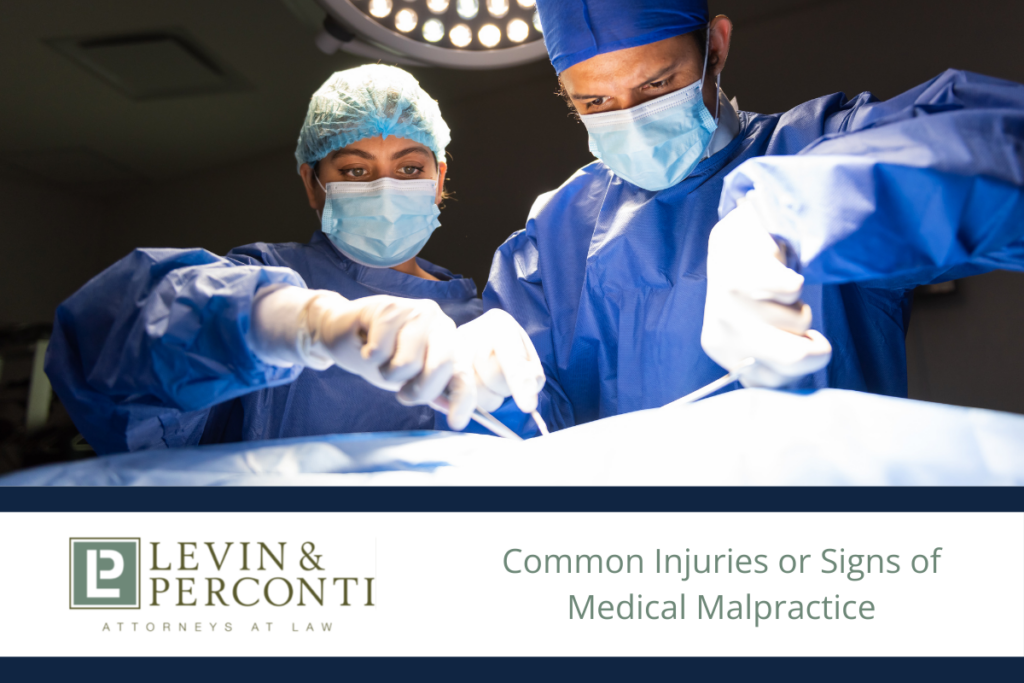
Something might have gone wrong during surgery if your recovery doesn’t match what your doctor described or if you experience complications in an unexpected part of your body. These issues may signal that your providers operated on the wrong site, left an instrument inside your body, or damaged surrounding tissue.
Surgical errors are among the most common medical malpractice injuries. Some complications can occur even with proper care, but when errors stem from avoidable mistakes or ignored safety protocols, patients may have grounds for a claim.
Medication or Dosage Mistakes
Medication errors can happen both in a doctor’s office and at the pharmacy. You may notice a problem if you experience unexpected side effects or no improvement in your condition after starting a new medication.
Prescribing errors occur when a provider orders the wrong drug or dosage for the patient’s condition. These mistakes may also happen when a doctor prescribes a medication that interacts dangerously with others or conflicts with a patient’s known allergies or medical history. Pharmacy errors happen when staff give a patient the incorrect drug or dosage or mislabel the medication packaging.
Birth Injuries to Mother or Child
Labor and delivery always carry some level of risk, but medical professionals must take steps to lower that risk and address complications when they occur. Both mother and child can suffer preventable birth injuries when staff fail to act promptly or follow proper procedures.
Delayed C-sections, inappropriate use of delivery tools, or failure to monitor vital signs are common examples of negligence that can threaten the mother’s life or cause lasting disability to her child. If you or your child experienced unexpected complications during childbirth, a review of your medical records may reveal whether substandard care played a role.
Lack of Informed Consent
You have the right to informed consent before undergoing any medical procedure or treatment. That means your doctor must explain the potential risks, benefits, and alternatives so you can make an informed decision about your care.
When your provider skips this step—or performs a procedure you didn’t agree to—they may be liable for complications you weren’t warned about, even if they’re common or expected. You may have a lack of informed consent if you were asked to sign forms while sedated, had no time to ask questions, didn’t learn about the risks until after a procedure, or were falsely told there was only one treatment option.
Ignored Patient Complaints or Concerns
When patients report concerns about their health, their providers have a duty to listen and investigate. Ignoring or dismissing patients’ symptoms can prevent an accurate diagnosis and result in worse health outcomes.
You may have experienced this form of negligence if your doctor dismissed your symptoms as “normal” or failed to order testing after you shared a health complaint. If this lack of follow-up fell below the accepted standard of care and caused your condition to worsen, it may qualify as medical malpractice.
Premature Discharge or Inadequate Follow-Up Care
Medical facilities must keep patients under observation until it’s medically safe to go home and create a plan for appropriate follow-up care. Preventable complications can occur when hospitals discharge patients too soon or fail to arrange post-treatment monitoring. Common hospital negligence signs include being released before your condition stabilizes or not receiving clear instructions about how to manage your recovery.

Why Recognizing the Signs of Medical Malpractice Matters
Early recognition helps you know when it’s time to pursue a medical malpractice claim and take legal action before critical evidence fades. Detailed medical records and witness statements can help prove that your provider’s care fell below accepted standards, but these materials are often harder to access over time.
Acting quickly also protects your health by allowing you to pursue an accurate diagnosis or corrective treatment sooner. If you suspect negligence played a role in your injury, contact our attorneys as soon as possible. We can help you determine whether you have a medical malpractice case and build a strong claim before the filing deadline.
Contact Our Medical Malpractice Lawyers Today for a Free Consultation
When medical care causes harm instead of healing, you have the right to seek accountability. Levin & Perconti has recovered over $2 billion in verdicts and settlements for our clients, and we’re ready to put that track record to work for you.
If you notice any signs of medical malpractice, let our experienced attorneys help you pursue the full compensation you deserve. Contact us online or call (312) 332-2872 for a free consultation and personalized guidance.