
Read Bio
Since 1976, Steve Levin has been dedicated to helping people injured by others’ negligence. He is one of the first attorneys in the U.S. to prosecute nursing homes for abuse and negligence. He’s also helped write new legislation that governs the operation of nursing homes, including the Illinois Nursing Home Care Act. Moreover, Levin & Perconti has obtained the top three jury verdicts in nursing home negligence cases in Illinois.
Read Bio
Since 1976, Steve Levin has been dedicated to helping people injured by others’ negligence. He is one of the first attorneys in the U.S. to prosecute nursing homes for abuse and negligence. He’s also helped write new legislation that governs the operation of nursing homes, including the Illinois Nursing Home Care Act. Moreover, Levin & Perconti has obtained the top three jury verdicts in nursing home negligence cases in Illinois.
Illinois recently passed legislation that could quietly, but significantly, change how nursing homes and assisted living facilities respond when residents fall.
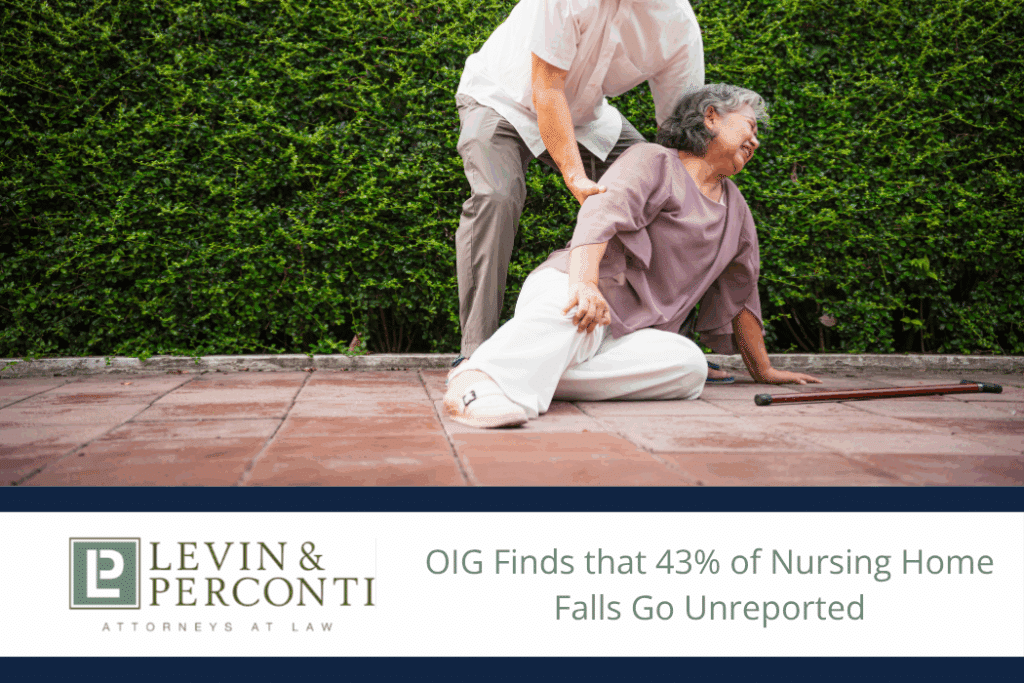
House Bill 2336 allows Illinois municipalities and fire districts to charge nursing homes and assisted living facilities for non-emergency “lift-assist” calls: situations where staff request help lifting a resident who has fallen but does not appear to be in immediate medical distress.
Supporters argue the law relieves overburdened fire departments. Critics worry it may discourage facilities from calling for help at all.
At Levin & Perconti, we believe this raises an important question:
Will this lead to better care, or fewer calls for help when residents need it most?
For families with loved ones in nursing homes, this change matters. Falls are one of the most common incidents in long-term care settings, and how facilities respond in those first moments can affect outcomes, recovery, and accountability.
What Is a “Lift-Assist” Call?
Not all nursing homes provide the same level of care or oversight. Facilities can differ significantly in staff levels, supervision, training, and their ability to support specific care needs. These differences may directly affect your loved one’s comfort, safety, and overall well-being.
Choosing the best nursing home can help reduce avoidable stress, support physical and emotional well-being, and provide consistent attention as care needs change. Ultimately, choosing a nursing home isn’t just about what’s best today. It is about selecting a setting that can consistently deliver reliable, attentive care over time, providing families with greater peace of mind as their situations change.
Questions To Ask Before Choosing a Nursing Home For a Loved One
A lift-assist call typically occurs when:
- A resident falls or slides to the floor
- Facility staff determine there is no obvious emergency
- Staff call the local fire department to help lift the resident safely
These calls are common in nursing homes and assisted living facilities, particularly those that are short-staffed or caring for residents with mobility limitations.
Importantly, a fall that initially appears “non-emergency” can still involve:
- Head injuries
- Internal bleeding
- Undiagnosed fractures
- Delayed complications
What Illinois House Bill 2336 Does
Under HB 2336:
- Fire departments may bill nursing homes or assisted living facilities for lift-assist calls that are not medical emergencies
- The law applies only in Illinois
- Families and private residents are not charged
- Whether and how fees are imposed is left to local municipalities and fire districts
The bill was supported by the Illinois Municipal League, which cited:
- Increased strain on emergency services
- Liability concerns for fire departments
- Facilities shifting routine care responsibilities to first responders
The Patient Safety Concern
While the law addresses legitimate municipal concerns, it also creates a financial incentive that could affect decision-making inside nursing homes.
Many facilities are already operating with:
- Chronic understaffing
- High staff turnover
- Limited training on safe resident handling
When calling for help carries a cost, facilities may:
- Delay calling 911
- Attempt lifts without proper staff or equipment
- Reclassify falls as “manageable” when they are not
This is especially troubling because falls are one of the leading causes of serious injury and death among nursing home residents.
Mike Bonamarte, managing partner at Levin & Perconti, emphasizes that resident safety must remain the priority:
“Any policy that discourages nursing homes from calling for help raises serious concerns. When a resident falls, the focus should be on timely, appropriate care—not on whether someone will receive a bill. Cost-cutting measures should never come at the expense of patient safety.”
“Non-Emergency” Does Not Mean “No Risk”
From a medical and legal standpoint, the distinction between emergency and non-emergency is often unclear in real time.
A resident who appears stable may still be:
- Experiencing internal bleeding
- Suffering from a spinal injury
- Showing early signs of stroke or infection
Quick, trained assistance can be the difference between a safe recovery and a life-altering injury.
A National Trend Beyond Illinois
Although HB 2336 applies only to Illinois, it reflects a nationwide trend:
- EMS and fire departments facing staffing shortages
- Municipalities looking to reduce costs
- Nursing homes relying on emergency services due to inadequate staffing
Illinois may be among the first states to formalize this approach through legislation, but similar policies are being considered elsewhere.
What Families Should Know About Bill 2336
If you have a loved one in a nursing home or assisted living facility:
- Ask how the facility handles falls
- Ask whether staff are trained and adequately staffed to perform safe lifts
- Document injuries and request medical evaluations after any fall
- Trust your instincts: falls should always be taken seriously
Facilities have a legal duty to protect residents from preventable harm and to respond appropriately when injuries occur.
When a Fall Leads to Injury, Accountability Matters
Falls are not always accidents. They are often the result of:
- Understaffing
- Poor supervision
- Failure to follow safety protocols
- Delayed medical response
If a facility’s decision to delay or avoid calling for help leads to injury, that decision matters.
At Levin & Perconti, we have over 200 years of combined legal experience representing families harmed by nursing home neglect and medical negligence. We continue to watch how laws like HB 2336 affect real-world care and real people.
If you believe a loved one was injured due to delayed care or inadequate staffing, our team is here to talk about your options. Call 312-332-2872 or contact us online for a free consultation.
Nursing Home Fall Cases Handled by Levin & Perconti
Levin & Perconti has extensive experience representing individuals and families in nursing home fall cases throughout Illinois.
While every case is unique, our attorneys have successfully handled numerous matters involving falls caused by understaffing, inadequate supervision, and delayed response to injuries.
Below are examples of recent nursing home verdicts and settlements handled by our firm:
- $12.2 Million Verdict, the highest Nursing Home Abuse result in Illinois history, on behalf of a woman who suffered pressure wounds within three months of admission to a nursing home.
- $4.1 Million jury verdict on behalf of an 85-year-old woman injured in a nursing home when her medications were mismanaged. The verdict is record-breaking as the highest Illinois Nursing Home Care Act verdict since 2006.
- $2.9 Million record verdict against a suburban Homewood nursing home for the family of a deceased 57-year-old resident who was suffocated due to the home’s negligent care of her tracheostomy tube.
- $2.8 million record nursing home pressure sore settlement against a suburban Hillside nursing home and physician for a 59-year-old resident who developed multiple painful and infected bedsores, which took four years to heal.
- $2.7 million Verdict for the estate of a 67-year-old man who died from complications related to a fall at Southpoint Nursing Home on Chicago’s south side.
- $1.4 million Verdict against a nursing home for failure to manage a nursing home resident’s behavior, which caused a shoving match, fall, hip fracture, and death of a 79-year-old fellow nursing home resident.
- $1 million Settlement for an 83-year-old nursing home resident who fell several times while a resident at the nursing home, with the last fall contributing to her death.
Frequently Asked Questions About Lift-Assist Calls and Nursing Home Falls
Can a nursing home be held responsible if it delays calling 911 after a fall?
Yes, if delaying emergency assistance contributes to injury or death of a nursing home resident, the facility may be held legally responsible.
Are lift-assist fees passed on to residents or families?
The new law allows municipalities to charge facilities, not residents, but families should ask how facilities handle these costs internally.
What should families do if a nursing home minimizes a fall?
Request a medical evaluation, document all injuries, and consider seeking legal guidance if the response was delayed or inadequate and resulted in serious injury.