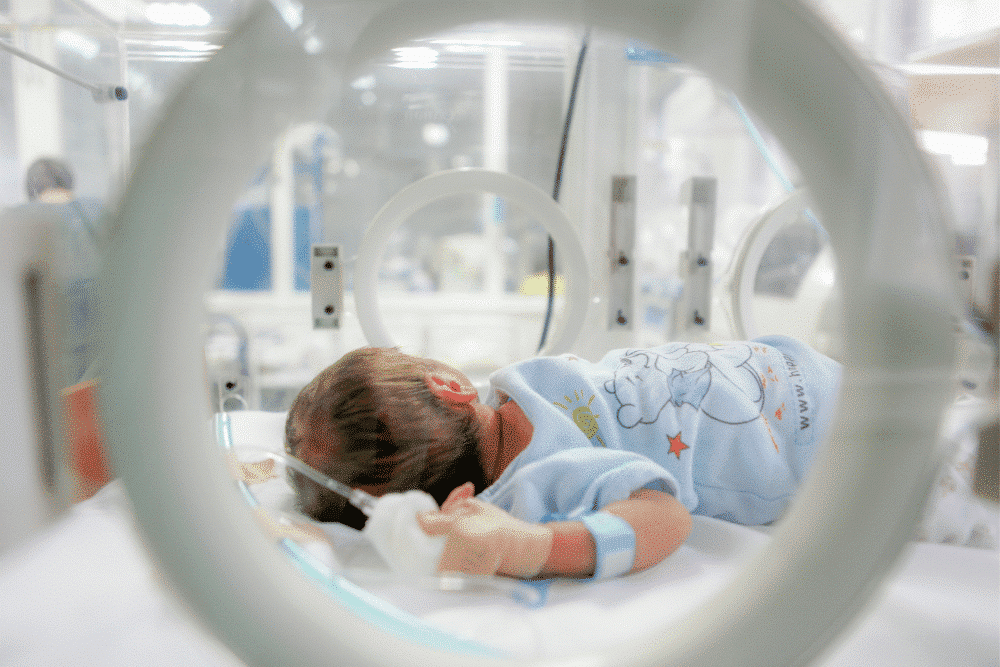
When the umbilical cord wraps around a baby’s neck, doctors refer to the condition as a nuchal cord. This happens when the cord forms a loop around the baby’s neck while the baby is moving in the womb. The umbilical cord plays an important role during pregnancy because it carries oxygen and nutrients from the placenta to the baby.
If you’re expecting a baby, hearing that the umbilical cord may be wrapped around your baby’s neck can be frightening. Many parents imagine the worst and wonder whether their baby will be safe during delivery. Those feelings are completely understandable. The good news is that this situation, often called a nuchal cord, is relatively common in pregnancy.
In this article, we’ll explain what this condition means and when families may consider speaking with a lawyer if something goes wrong. If you have questions about a potential birth injury, you can also speak with an experienced birth injury attorney by contacting us online.
What Does It Mean When the Umbilical Cord Is Wrapped Around the Baby’s Neck?
The cord is designed to be long, soft, and flexible, which allows babies to move freely as they grow. Because of this movement, the cord may sometimes wrap around the neck once or even multiple times. Nuchal cords are fairly common and occur in about 20 – 30% of pregnancies.
In many cases, babies are born healthy even when the cord is present around the neck. Sometimes doctors notice it during an ultrasound, but it is often discovered during delivery. In most situations, medical teams are able to manage this condition safely during childbirth.
Why the Umbilical Cord May Wrap Around the Baby’s Neck
The umbilical cord may wrap around a baby’s neck for several natural reasons during pregnancy. As babies grow, they move, stretch, and change positions inside the womb. This normal fetal movement can sometimes cause the cord to loop around the neck.
Other reasons include:
- longer umbilical cords
- higher levels of amniotic fluid
- very active babies can create more opportunities for the cord to shift or form loops
In most cases, this happens naturally and unpredictably as the baby moves throughout pregnancy. It is important for parents to know that a nuchal cord is not something they caused or could have prevented. Doctors and delivery teams are trained to monitor these situations and respond if concerns arise during labor.
What Risks Can Occur When the Umbilical Cord Is Around the Neck?
In many pregnancies, a nuchal cord does not cause serious problems. However, certain complications may arise if the cord becomes tight or compressed during labor or delivery.
One concern is cord compression, which can temporarily reduce the flow of oxygen and nutrients traveling through the umbilical cord. If the cord is wrapped tightly or pulled during delivery, it may also affect circulation. In some cases, this may lead to changes in the baby’s heart rate, which can signal that the baby is under stress.
Doctors and nurses watch closely for these warning signs throughout labor. They often use continuous fetal heart monitoring to track the baby’s heart rate and check for unusual patterns. Medical teams also monitor how labor is progressing and whether the baby is tolerating the contractions well.
It is important to remember that most babies with a cord around the neck are born safely. Still, if the cord becomes tight or compressed, careful medical attention is important to prevent potential oxygen deprivation during delivery.
When Can a Nuchal Cord Lead to Birth Injuries?
In most cases, a nuchal cord does not lead to serious harm. However, complications may arise if the situation is not properly monitored or addressed during labor. Medical teams are trained to watch for warning signs and respond if the baby shows signs of distress. Serious injuries may occur in situations when:
- Oxygen flow is being restricted for an extended period of time
- Medical staff failing to recognize signs of fetal distress
- Doctors are delaying necessary medical intervention during labor
If these problems occur, the baby may face complications such as oxygen deprivation, brain injury, and long-term neurological conditions. These outcomes are uncommon. However, when they do occur, families may wonder whether the medical team followed appropriate procedures and responded to warning signs during labor and delivery.
When Medical Negligence May Be a Concern in Illinois
Doctors, nurses, and other healthcare providers in Illinois are expected to follow accepted medical standards of care during pregnancy and childbirth. These standards guide how medical teams monitor both the mother and baby and how they respond if complications arise during labor.
Medical negligence may be a concern if doctors:
- Fail to properly monitor signs of fetal distress
- Ignore warning signs during labor
- Delay an emergency C-section when timely delivery is needed
In general, medical malpractice cases require showing that a health care provider breached the accepted standard of care and that the breach contributed to an injury.
When preventable birth injuries occur, families may seek compensation for damages such as medical treatment, long-term care needs, and other related losses.
Speak With a Chicago Birth Injury Lawyer if You Suspect Medical Negligence
Learning that your child may have been harmed during birth can be overwhelming, especially when the situation may have been preventable. Many families are already coping with the emotional weight of what happened and the challenges that follow. During times like this, having the right support can make a meaningful difference.
Speak with a Chicago birth injury lawyer to understand what occurred and what options may be available to your family. If you would like to talk with someone about your situation, you can contact Levin & Perconti at (312) 332-2872 for guidance.