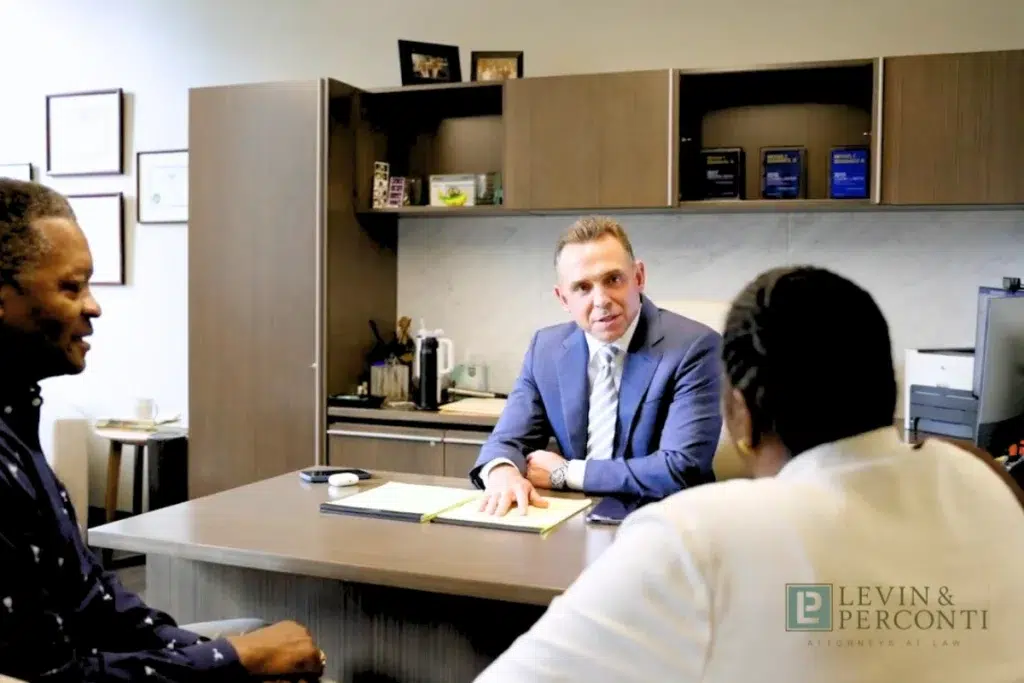
We often have people contact us at Levin & Perconti because they’ve heard about our extensive experience in nursing home abuse, medical malpractice, birth injury, and many other personal injury cases, but they aren’t sure whether we can help if they live outside Illinois.
This is a very common question. The important thing to know is that we can assist out-of-state clients depending on where the injury or neglect occurred, not where the person lives.
Every year, families from across the country reach out to us because of our experience and the work we’ve done in complex Illinois legal cases. Below is a clear explanation of when we can take a case, when we cannot, and how we support people regardless of their location.
Where We Can Take Cases
1. Illinois Jurisdiction
Our firm is based in Chicago, and we handle cases that fall under Illinois law. In most situations, the law requires a lawsuit to be filed in the state where the injury occurred or where the responsible company has strong ties. A case typically belongs in Illinois when:
- The injury, neglect, or medical error happened in Illinois
- The nursing home, hospital, or care facility is located here
- The defendant operates in Illinois or has significant legal connections to the state
Courts look at where the events took place and which state has the authority to hear the case. If the incident happened in Illinois, the case usually needs to be filed here, even if you live somewhere else.
Illinois has specific rules for serious injury cases, including long-term care neglect, medical negligence, wrongful death, and other complex matters. We’ve spent decades navigating these standards, and we help families determine whether Illinois is the right venue for their situation.
If you’re unsure whether your case belongs in Illinois, that’s completely normal. Jurisdiction is complicated, and we walk people through it every day.
2. Out-of-State Clients With Illinois Cases
Living outside Illinois does not prevent us from helping you. Many of the clients we represent live in other states but have a case tied to an Illinois nursing home, hospital, group home, or medical provider. What determines whether we can take your case is where the injury or neglect happened and whether the defendant has a legal connection to Illinois, not your home address.
If the incident occurred here, the law often requires the case to be filed here. That means you can still work with our Illinois-based attorney even if you’ve never lived in the state.
Where We Cannot Take a Case
There are situations where the law requires a case to be filed outside Illinois, even if someone hopes to work with us. When that happens, we explain why and help them understand where their case legally belongs.
Some cases simply can’t be brought in Illinois because the law requires lawsuits to be filed in the state that has authority over the incident. That authority is usually based on where the harm occurred or where the responsible facility or company operates.
Common examples of such cases include:
- Injuries or medical errors that happened outside Illinois
- Nursing homes, hospitals, or care providers with no meaningful presence in Illinois
- Incidents involving out-of-state companies that do not do business here
In these situations, Illinois courts do not have the legal power to hear the case. This isn’t determined by your state of residence. It’s determined by where the case legally belongs.
What Happens If We Can’t Take Your Case?
If we determine that your case cannot be filed in Illinois, we will tell you immediately, explain the reason, and what that means for your next steps.
Even when we cannot take a case, we make sure you’re not left on your own. Here’s what we do:
- We explain where your case likely belongs. We identify the state that has legal authority over the incident based on where the harm occurred and who is involved.
- We help you find the right attorney whenever possible. We often connect families with reputable lawyers in their home state, or the correct state, because many attorneys nationwide consult with or refer cases to us. This network allows us to point you toward someone trustworthy.
Our goal is that even if we’re not the firm that handles your case, you leave the conversation with clarity, direction, and a clear path forward.
Our Process For Working With Out-of-State Clients
If your case belongs in Illinois, we make it as easy as possible to work with us. No matter where you live. Our experience with families across the country has helped us build a process that is clear, efficient, and centered on communication.
Here’s how our cases are evaluated:
- We start with a thorough, personal consultation: We take the time to understand what happened, answer your questions, and learn the details that help us determine how Illinois law applies to your situation.
- If we determine more information is necessary, we will gather and review records on your behalf: You don’t have to manage this alone. With your permission, we obtain the records we need, medical charts, facility documents, or other relevant information, so you’re not chasing paperwork from another state.
- We keep communication simple and accessible: Phone calls, video meetings, and secure digital document sharing allow us to move your case forward without travel. We make sure you always know what’s happening and what to expect next.
- We tailor the process to your location and needs: Whether you’re a few hours away or across the country, we work around your schedule and ensure you can participate in every major decision.
- We handle the heavy lifting in Illinois: If the case must be filed here, we take care of court filings, investigations, expert consultations, and case preparation in Illinois while keeping you fully informed.
Our clients trust us because we combine deep knowledge of Illinois law with a compassionate, easy approach designed for people who are already dealing with enough stress.
Not Sure Whether Illinois Law Applies to Your Case?
It’s completely normal to feel unsure about whether your case belongs in Illinois. Jurisdiction rules can be confusing, and you shouldn’t have to sort through them on your own. A brief conversation with our attorney can provide clarity on where your case should be filed, whether we can assist you, and what your next steps should be.
If you have questions or would like to know where to start, please call us at (312) 332-2872.
Our commitment is to offer clear and honest guidance, whether we can take your case or not. You deserve answers, and we’re here to help you get them.